Standing seam and stone-coated steel are both premium metal roofing options, but they create very different homes. The best choice is rarely about which material wins in the abstract. It is about which system fits the architecture, geometry, snow exposure, detailing, and ownership horizon of your property.
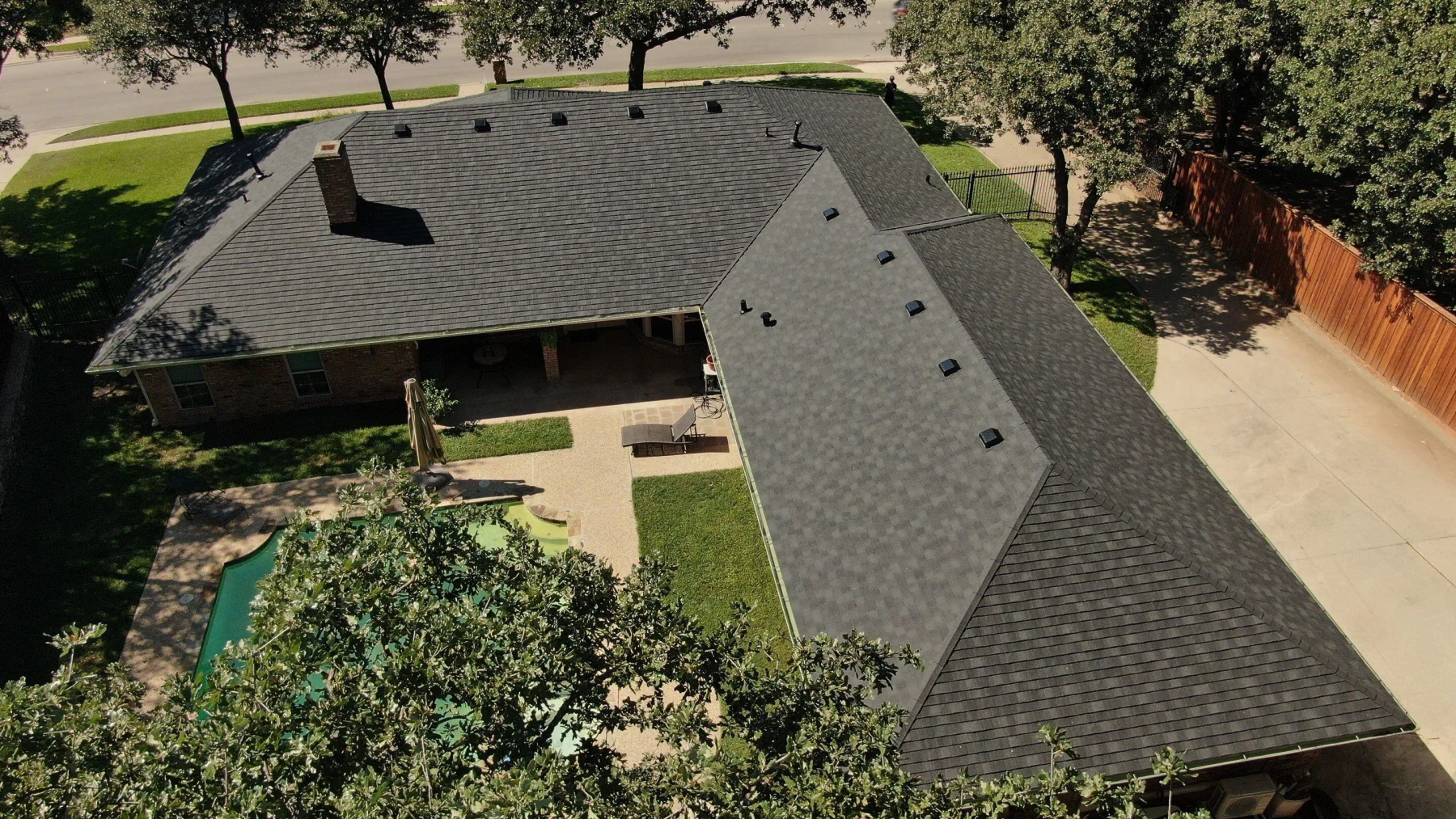
Standing seam and stone-coated steel at a glance
| Decision point | Standing seam | Stone-coated steel |
|---|---|---|
| Architectural expression | Clean vertical lines and a distinctly modern or mountain-metal look | Shingle, shake, or tile profiles with a traditional residential texture |
| Panel format | Long metal panels with raised seams and concealed fasteners | Smaller formed steel panels with bonded stone granules |
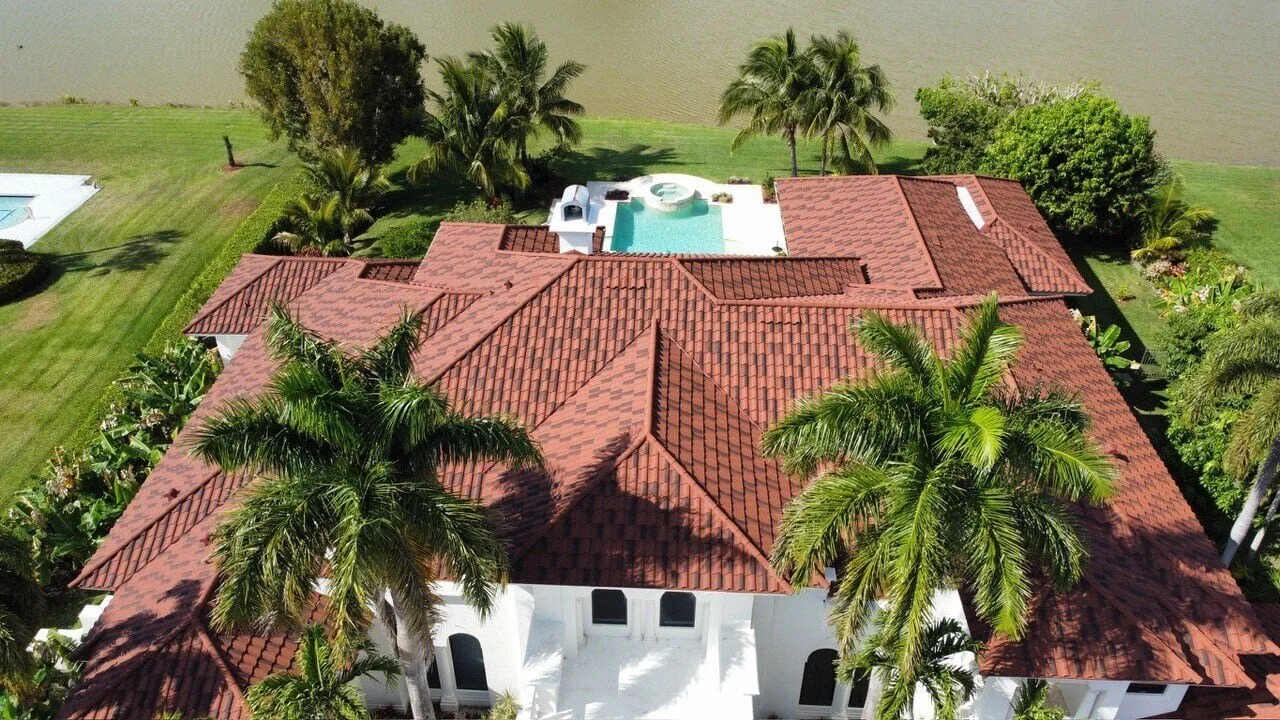
| Best visual fit | Modern, contemporary, farmhouse, mountain, and custom homes | Traditional, craftsman, lodge, Mediterranean, Spanish, and estate homes |
| Snow behavior | Smooth panels can release snow quickly; retention planning is important | Textured profiles can change how snow holds and releases; project-specific planning still matters |
| Visible detailing | Seams, transitions, valleys, trim, and panel layout are central to the look | Profile alignment, ridges, hips, valleys, and color blend shape the finished appearance |
Choose standing seam when the metal should read as architecture
Standing seam is often the right direction when a home benefits from strong, uninterrupted lines. It can sharpen a contemporary addition, complement mountain architecture, or create a restrained contrast against stone, wood, and premium siding. Because the panels are visually simple, layout and trim precision matter enormously.
Choose stone-coated steel when you want metal without an industrial look
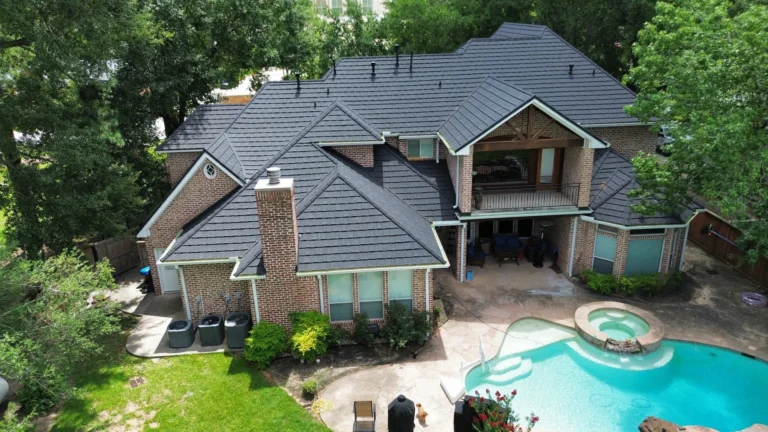
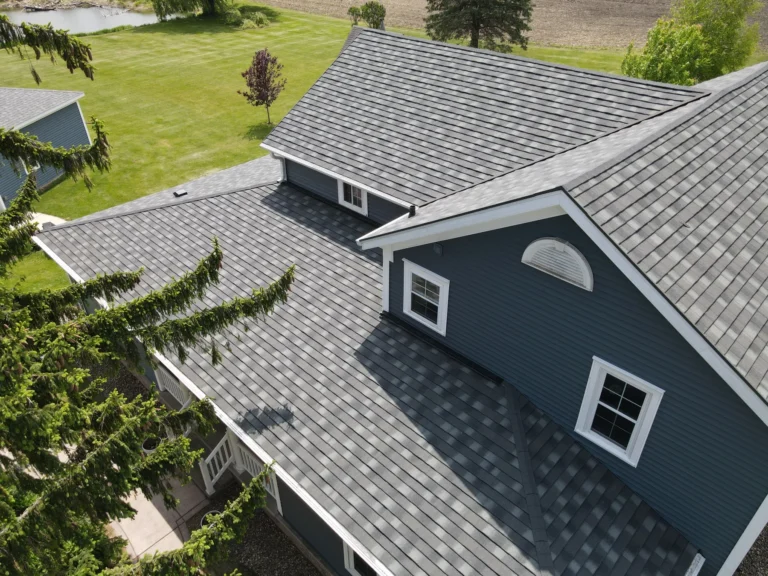
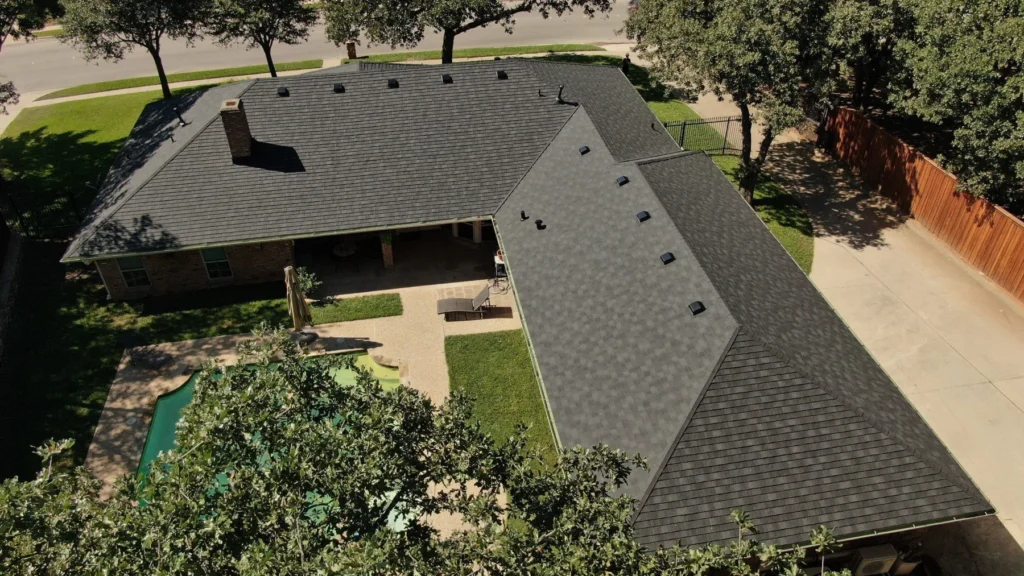
Stone-coated steel is compelling when the home depends on the depth of shingle, shake, or tile. DECRA Shingle XD, Shake XD, Shake, Tile, and Villa Tile give homeowners several ways to keep that traditional texture while moving to a steel-based roof.
How Utah conditions affect the decision
Utah roofs see intense sun, fast temperature swings, heavy snow, wind, and freeze-thaw cycles. Those conditions make ventilation, underlayment, attachment, flashing, and drainage just as important as the exposed material. Snow-release zones above doors, drives, patios, and walkways should be discussed before the system is selected.
Do not compare only the panel price
A responsible proposal should define tear-off, decking allowances, underlayment, ventilation work, flashings, penetrations, trim, snow-management details, cleanup, warranty documentation, and who is supervising the installation. A low number with missing scope is not the same product as a complete premium roof system.
The simplest decision framework
- Start with the home’s architectural language and the view from the street.
- Map roof geometry, penetrations, transitions, and snow paths.
- Compare complete assemblies and written scopes—not product names alone.
- Review physical samples in the home’s actual daylight and against its exterior materials.
- Confirm product-specific installation and warranty requirements before approval.
See available options on our premium metal roofing service page, or explore DECRA stone-coated steel profiles for Utah homes.
Product note: DECRA profile descriptions and published performance information are based on current manufacturer materials. Product availability, colors, installation requirements, ratings, and warranty terms should be confirmed for the exact system selected for your home. Review DECRA product information.