July 2026 · Utah County
July gave us plenty of opportunities to show what thoughtful roofing and exterior work looks like up close. From protecting a home before a project begins to checking the layers beneath the shingles, our team shared the practical details that help Utah homeowners make confident decisions.
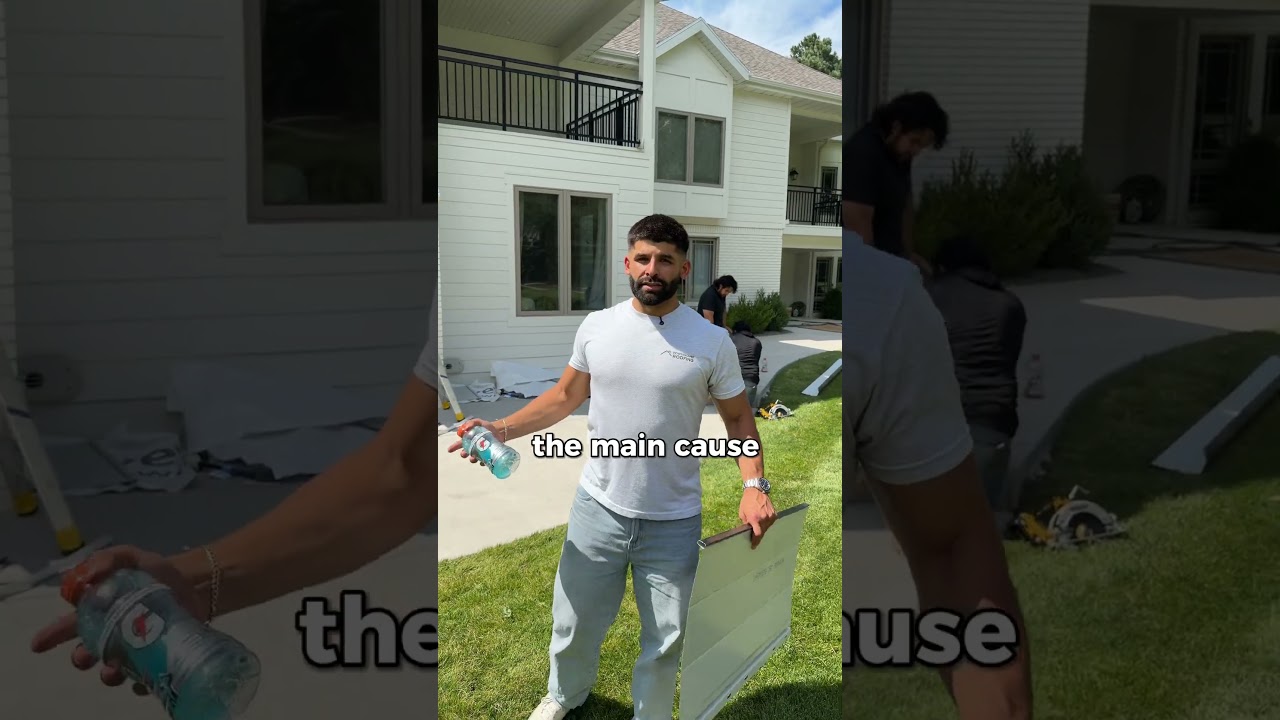
Protecting the home starts before the work does
One of our early-July updates focused on a simple idea: preparation is part of craftsmanship. Before roofing or siding work begins, the team should understand access points, landscaping, exterior finishes, and the small details that make a house feel like home.
That preparation helps keep the project organized and gives homeowners a clearer idea of what each day will look like. It also creates space for good communication before materials and crews arrive.
Before your project starts, ask how the contractor plans to protect landscaping, siding, windows, driveways, and cleanup areas—and who will keep you updated.
The roof you see depends on the layers you do not
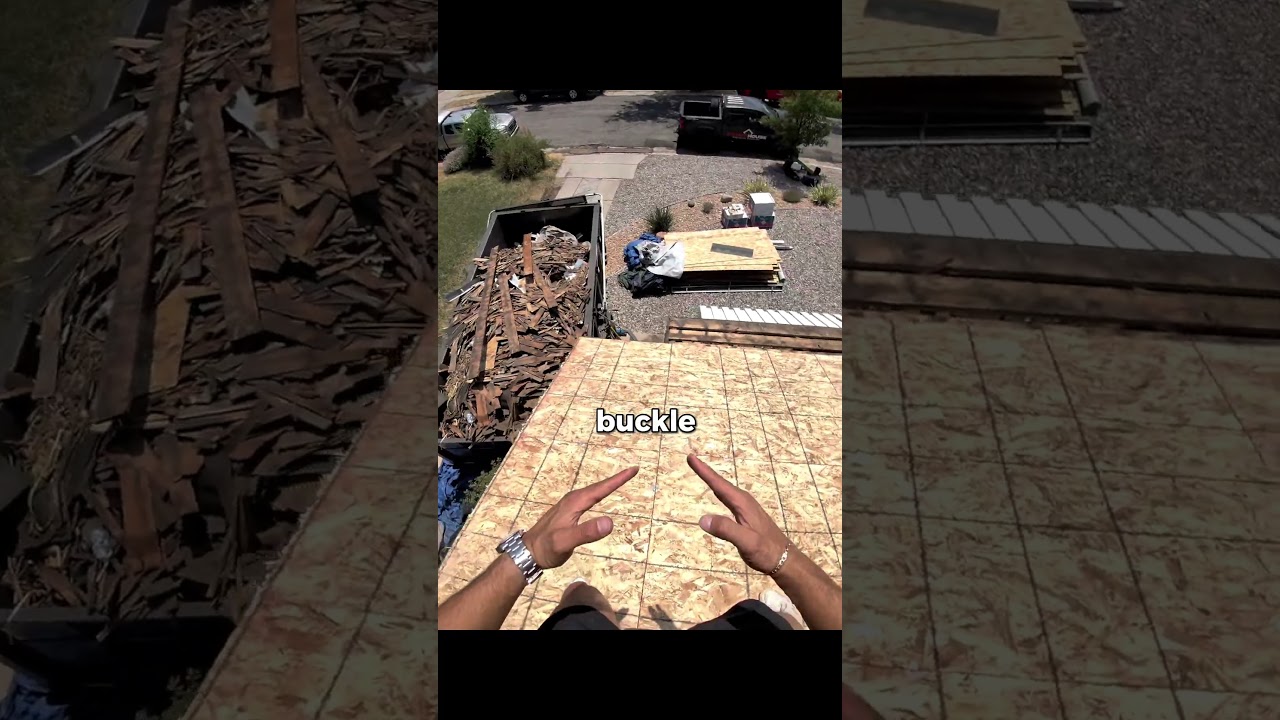
Several July updates took homeowners below the finished shingles. Decking, underlayment, ice-and-water protection, flashing, and ventilation all play a role in how a roof performs. Covering an existing problem does not make it disappear; it makes the condition harder to see until the next project or leak.
This is why a careful tear-off and deck evaluation matter. If old layers or soft, damaged areas are uncovered, the right next step is to document the condition, explain the options, and build the new system on a dependable surface.
- How will the roof deck be evaluated after tear-off?
- Where will ice-and-water protection be installed?
- How are flashing and ventilation included in the scope?
- How will unexpected conditions be photographed and priced?
A roof is a complete system. The strongest results come from getting the unseen details right before the final shingle is installed.
PowerHouse July takeaway
Material choices should serve the house
Another July theme was the difference between choosing a material because it is inexpensive today and choosing a system that fits the home, the climate, and the project goals. Good recommendations consider more than the color or product name. They account for roof shape, sun exposure, attic conditions, drainage, surrounding exterior materials, and the way the system will be installed.
Our approach is collaborative: listen to the homeowner, listen to the crew members who work with the materials every day, and make the options easy to compare. A clear written scope is just as important as the product itself.
Small project, same standard
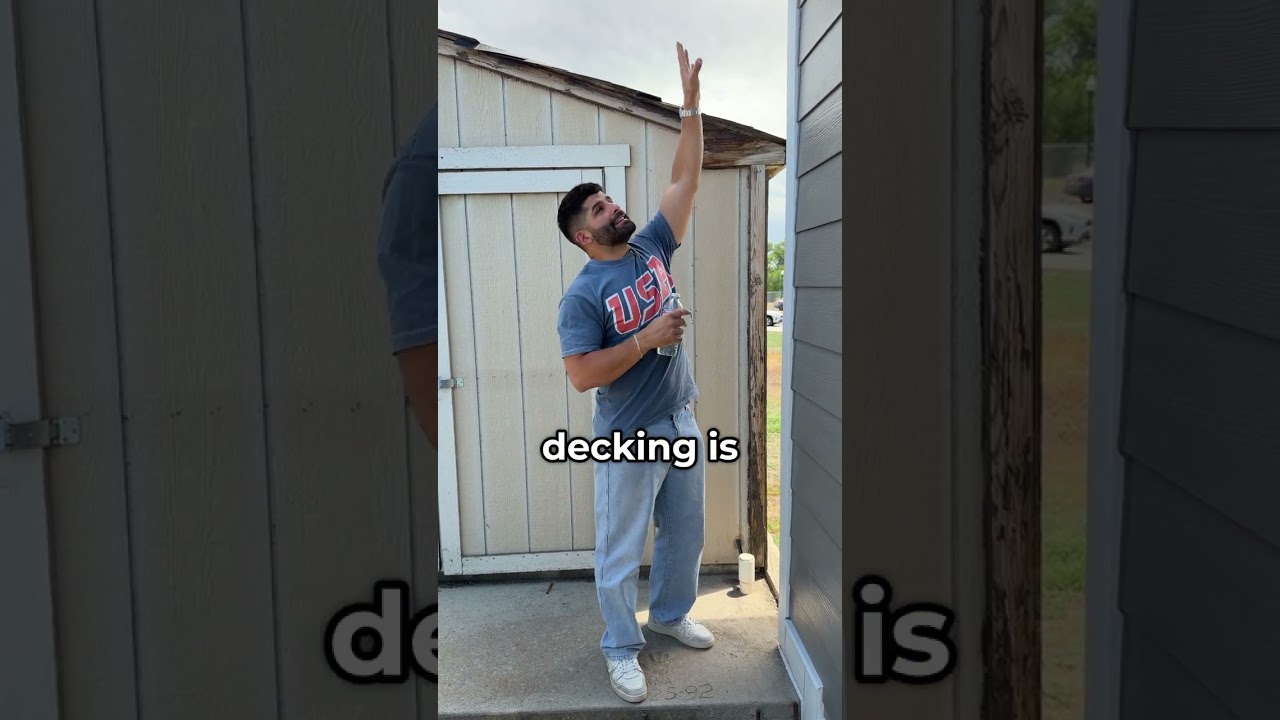
Roofing and exterior work is often judged by the finished photo, but daily customer experience comes from the smaller choices: arriving prepared, keeping the site orderly, cleaning up carefully, addressing details even when they were not created by our crew, and explaining what changed along the way.
That standard applies whether we are planning a complete roof replacement or working through a focused siding or exterior improvement. Homeowners should feel that their property and their questions receive the same attention on every project.
Utah heat changes the conversation
July brought the kind of heat Utah homeowners and crews feel immediately. Hot weather is a reminder that roofing decisions are connected to the comfort of the whole house. Attic ventilation and insulation, shingle color and condition, and penetrations around vents all deserve attention when the upper level feels unusually warm or the air conditioner seems to run without catching up.
A hot room does not automatically mean the roof is the cause, but it is worth looking at the home as a system. A professional inspection can help separate roof and ventilation concerns from insulation or HVAC issues before anyone recommends a major project.
What a roof price should help you understand
One of July’s most useful conversations was about where the money in a roofing project actually goes. A meaningful estimate should make the scope visible—not hide everything behind one number.
- Tear-off, disposal, access, and site protection
- Shingles, underlayment, flashing, and ventilation
- Decking allowances and approval for added work
- Cleanup, supervision, schedule, and written warranties
When estimates differ, compare what is included, how unknown conditions will be handled, and who will be responsible for the project from start to finish. Our residential roofing team can walk through those details in plain language, and homeowners who are still planning can also start with an instant estimate.
A new look on the road
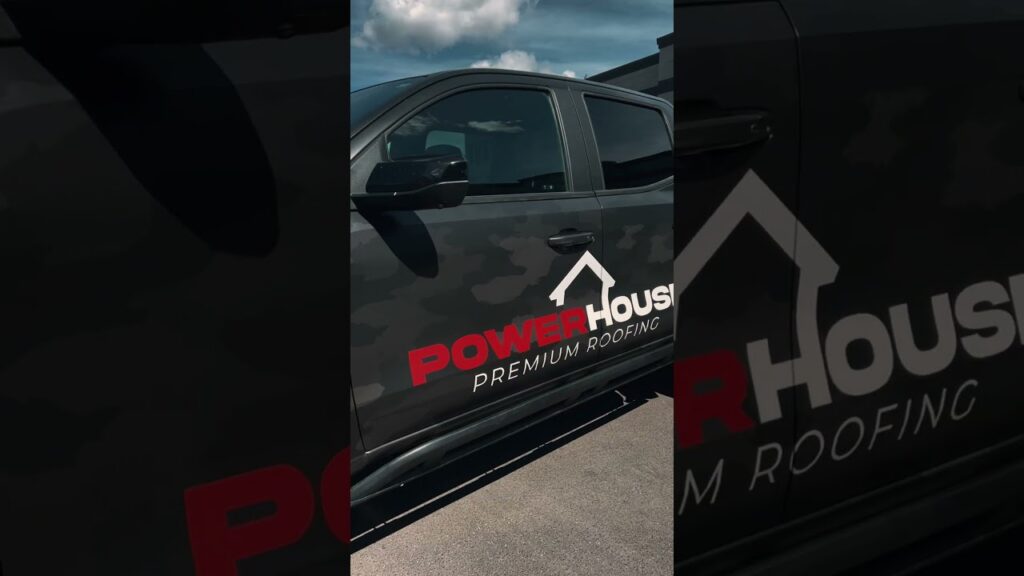
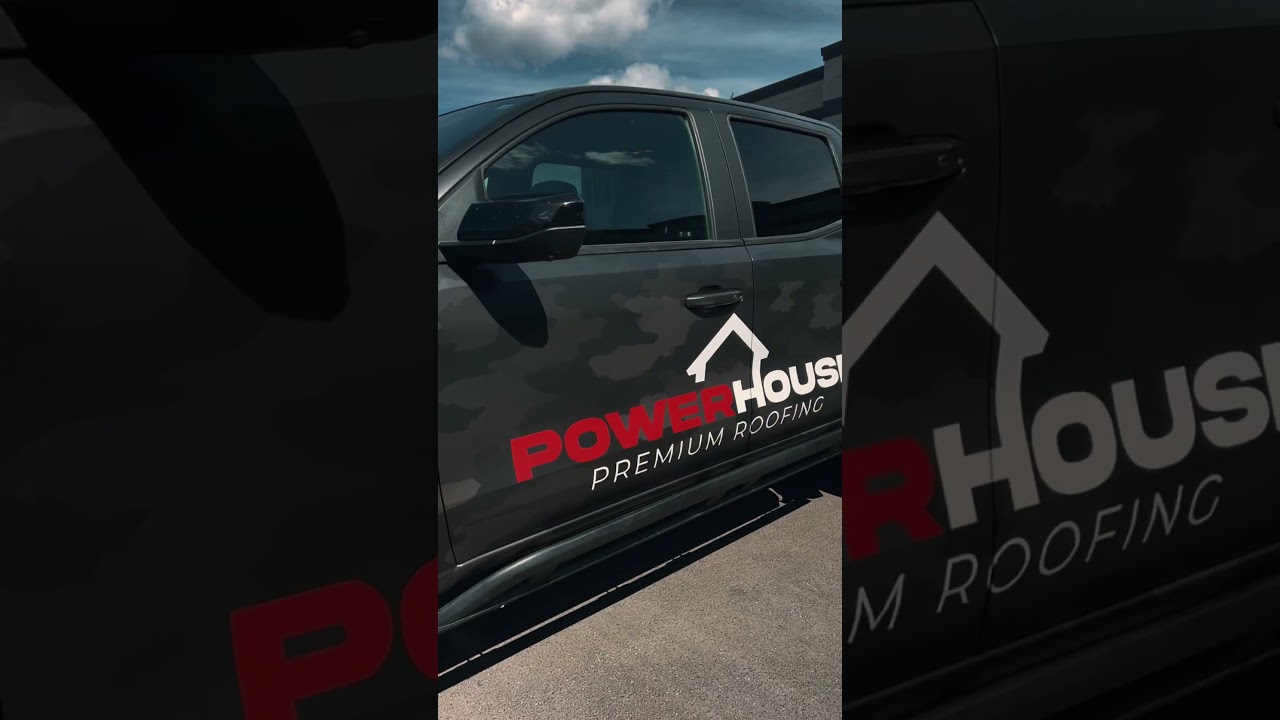
July also brought a fresh wrap for one of our PowerHouse trucks. It is a small milestone, but a fun one: the vehicles traveling between homes and jobsites now carry the same bold identity our team brings to the work.
If you spot the PowerHouse colors around Utah County, there is a good chance the crew is headed to an inspection, a repair, or another exterior project in the community.
The July takeaway
The clearest lesson from this month is that good exterior work is built from details homeowners may never see: preparation, honest evaluation, compatible materials, careful installation, and communication that makes the process understandable.
If your roof has been showing its age, your home is holding more summer heat than usual, or you are comparing options for an upcoming project, a clear inspection is a practical place to begin.
Ready for a clearer look at your roof?
Schedule a free, no-pressure diagnosis with PowerHouse Roofing. We will document what we find, explain the options, and help you plan the next step with confidence.
Schedule a free roof diagnosis
Follow more behind-the-scenes updates on TikTok, Instagram, and YouTube Shorts.