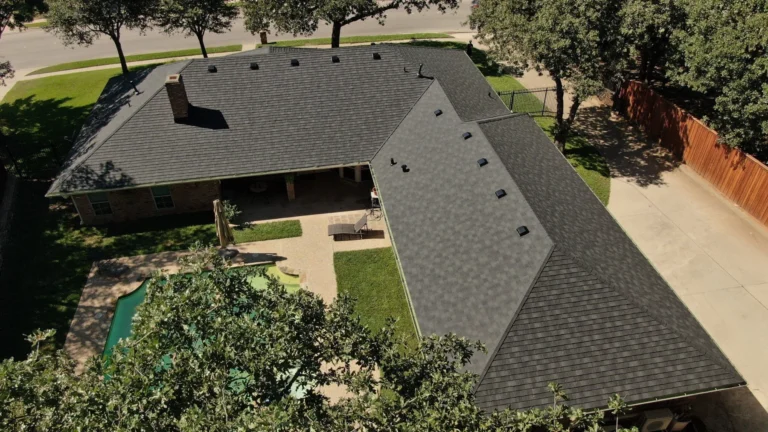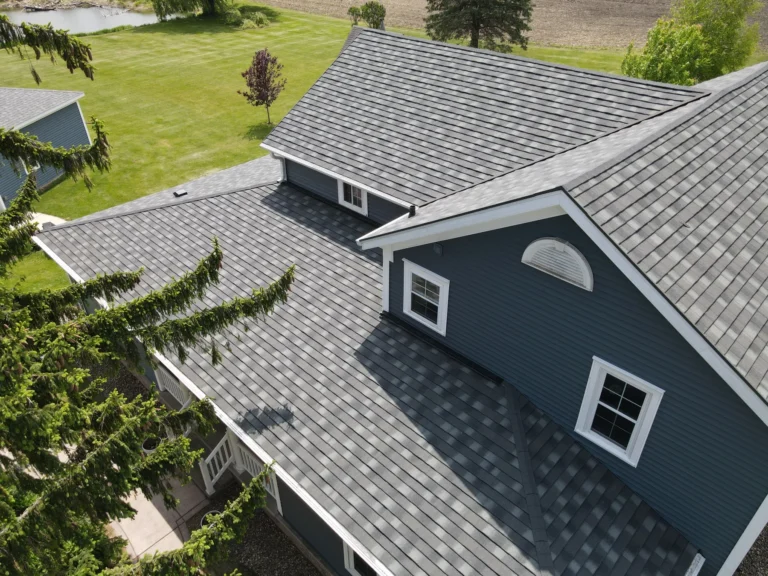
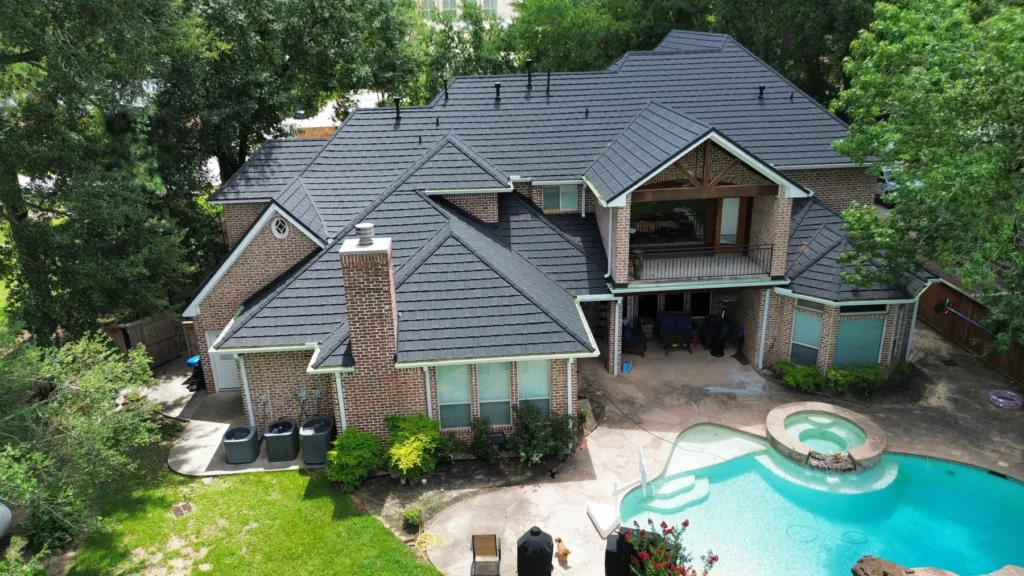
A stone-coated steel roof is for homeowners who want the strength and long horizon of metal without giving up the texture of shingles, shake, or tile. DECRA offers several distinct profiles, which means the right conversation starts with your home’s architecture—not a one-style-fits-all recommendation.
What stone-coated steel roofing is
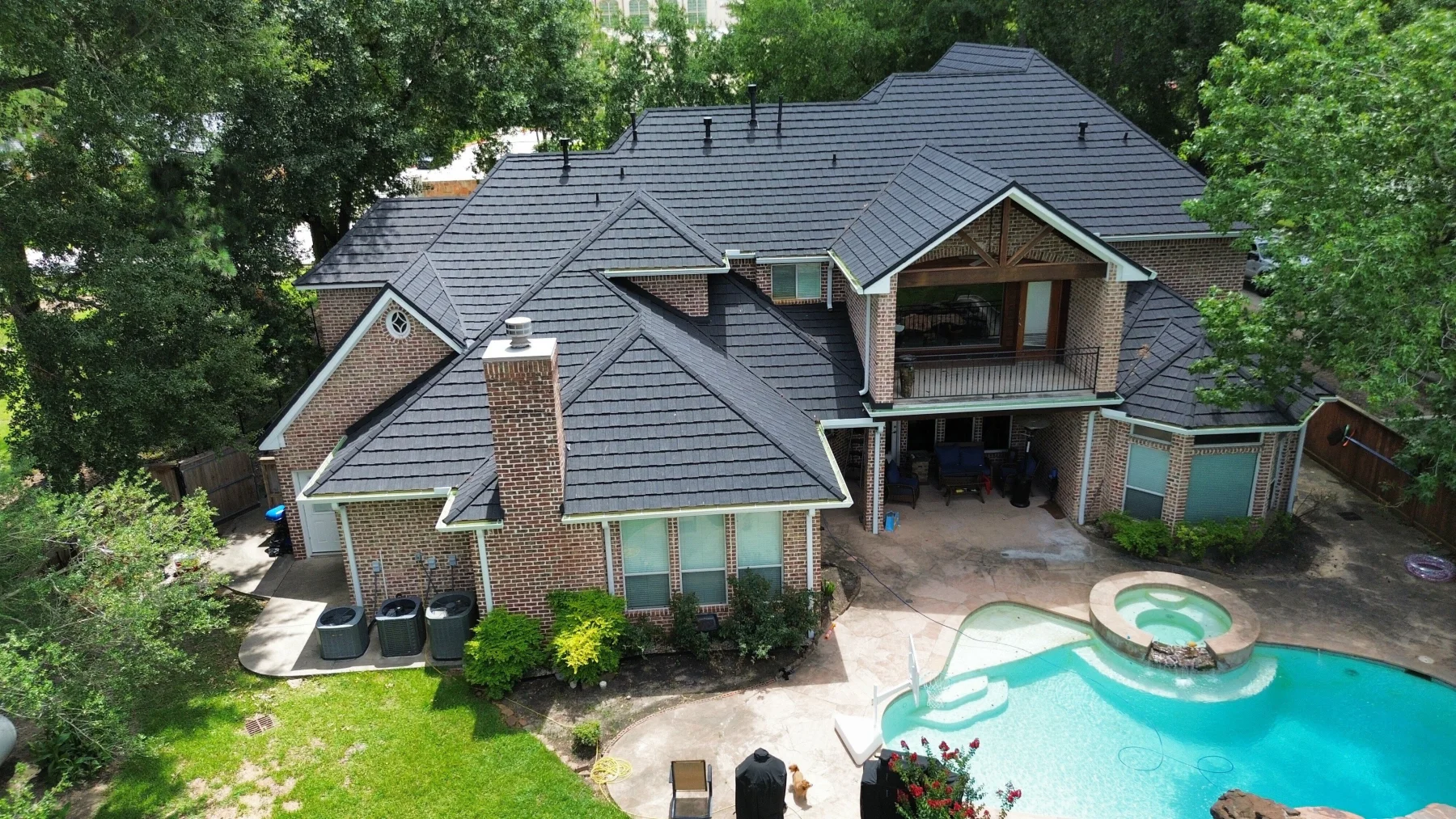
Stone-coated steel begins with formed steel panels and adds protective coatings plus bonded stone granules. The finished surface can carry the shadow lines of a dimensional shingle, the texture of hand-split shake, or the profile of traditional tile. That gives high-value homes a way to gain metal performance while keeping a residential, architecturally appropriate appearance.
DECRA profiles for different home styles
DECRA Shingle XD
Shingle XD is designed with thick-cut edges and pronounced shadow lines. It can suit homes that look best with the familiar rhythm of architectural shingles but deserve a more durable premium system.
DECRA Shake XD and DECRA Shake
The shake profiles bring depth and a hand-split wood character without asking a homeowner to accept the maintenance pattern of natural cedar. They are especially compelling on mountain, lodge-inspired, craftsman, and estate architecture.
DECRA Tile and Villa Tile
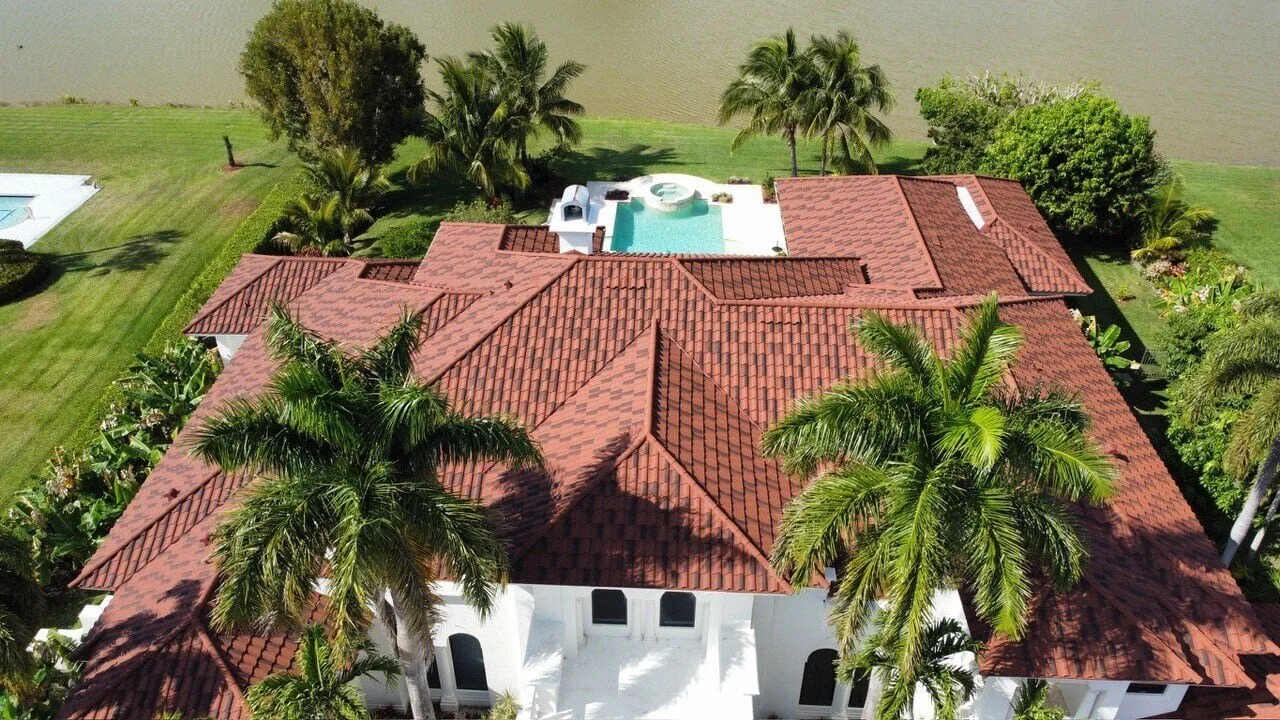
DECRA Tile carries a scalloped Mediterranean expression, while Villa Tile creates a barrel-style silhouette. These profiles can preserve the visual importance of tile on Spanish, Mediterranean, and custom homes while using a steel-based system.
Why the roof assembly matters as much as the profile
A premium panel cannot compensate for weak planning at valleys, walls, chimneys, skylights, ventilation, eaves, or drainage. In Utah, snow movement and freeze-thaw exposure add another layer of detail. PowerHouse reviews the whole assembly before recommending a direct-to-deck or batten-based approach for an applicable product.
- Roof pitch and geometry, including valleys, dormers, and transitions
- Deck condition, underlayment, ventilation, and insulation balance
- Snow paths above entries, patios, walkways, landscaping, and gutters
- Flashing and trim details that will remain visible from the ground
- Profile and color compatibility with masonry, siding, windows, and the surrounding property
DECRA vs. standing-seam metal
Standing seam emphasizes clean vertical lines and a distinctly architectural metal expression. DECRA stone-coated steel uses smaller formed panels and a textured finish to resemble traditional residential materials. Both can be premium choices; the better fit is the one that supports your home’s design, roof geometry, exposure, and long-term priorities.
For a side-by-side decision framework, read Standing Seam vs. Stone-Coated Steel Roofing for Utah Homes.
Questions to ask during a DECRA consultation
- Which DECRA profile fits the architecture rather than simply matching the current roof?
- How will valleys, ridges, wall transitions, vents, and skylights be detailed?
- Where could snow release from the roof, and what should be protected below?
- Which product-specific installation documents apply to this roof?
- What manufacturer and workmanship warranty documents will I receive in writing?
A premium material deserves a measured plan
PowerHouse approaches stone-coated steel as an exterior-design and roof-system decision, not a commodity swap. We inspect the home, compare profiles and complete scopes, and make the visible details part of the plan before work begins.
Product note: DECRA profile descriptions and published performance information are based on current manufacturer materials. Product availability, colors, installation requirements, ratings, and warranty terms should be confirmed for the exact system selected for your home. Review DECRA product information.