Utah roof life is not determined by material alone. Intense sun, canyon wind, snow, freeze-thaw cycles, attic heat, drainage, roof pitch, and installation quality all change how a roof ages. The useful question is not simply “How old is it?” but “How is the complete system performing on this home?”
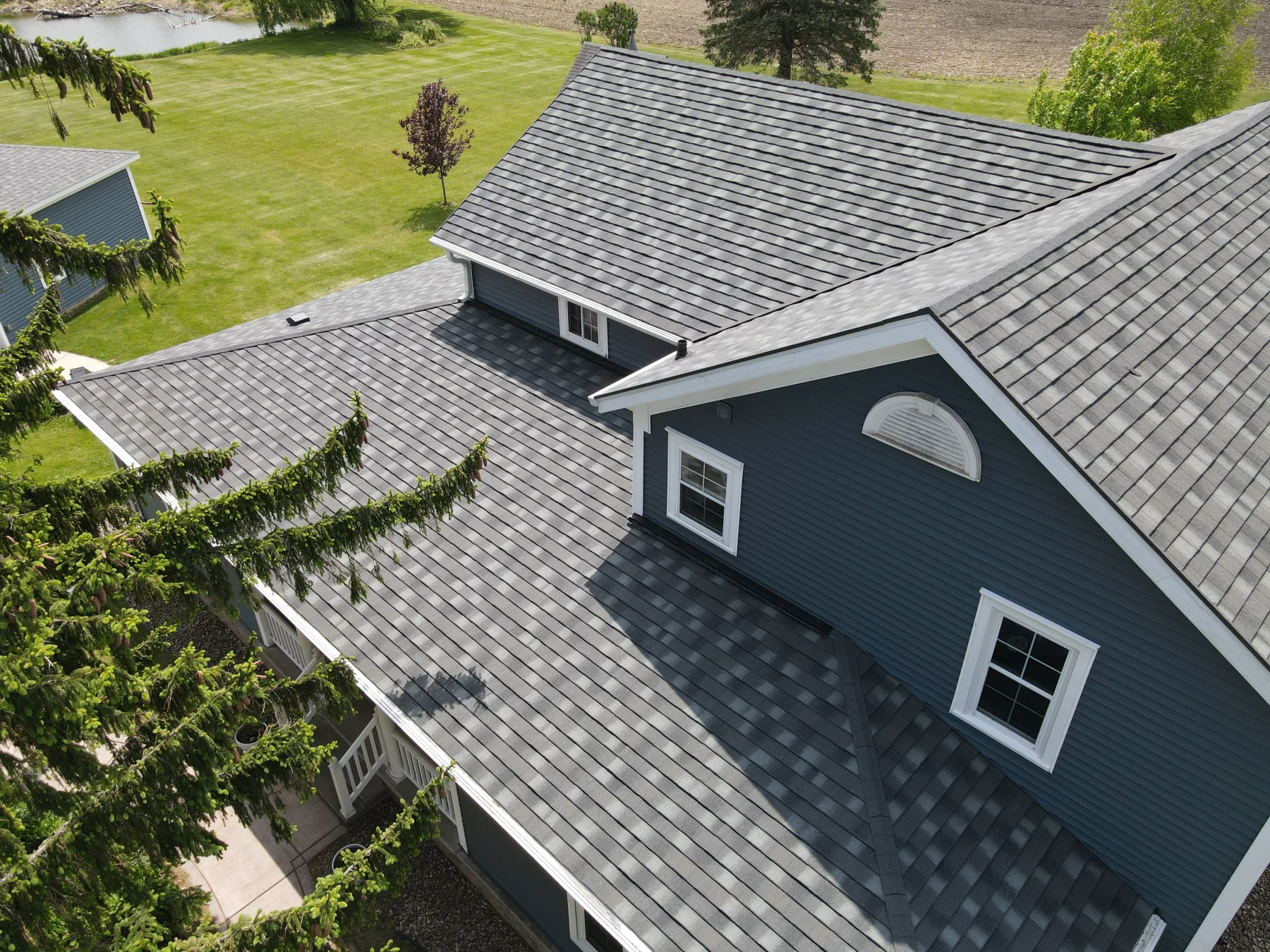
Typical roofing lifespans are planning ranges, not promises
Architectural asphalt shingles are often planned around a multi-decade service life, while premium metal and tile systems are commonly selected with a much longer horizon in mind. Actual performance depends on the product, exposure, ventilation, maintenance, workmanship, and whether flashing and penetrations were detailed correctly.
| Roof type | Planning horizon | What most affects it in Utah |
|---|---|---|
| Architectural asphalt shingles | Often roughly 20–30 years | UV exposure, ventilation, wind, hail, granule loss, and installation quality |
| Standing-seam metal | Often 40–70 years or more | Finish, panel and seam detailing, penetrations, snow management, and corrosion control |
| Stone-coated steel | Often 40–70 years or more | Product profile, coating condition, fastening, flashings, ventilation, and installer precision |
| Tile or specialty systems | Often multiple decades | Material type, structural support, underlayment, breakage, flashing, and maintenance |
These ranges are useful for early planning, but they are not a substitute for product-specific documents or an inspection. A young roof can fail early when the assembly is wrong, and a well-built older roof may still have responsible service life left.
How Utah weather shortens roof life
Sun and elevation
Strong UV exposure ages asphalt surfaces and finishes over time. Granule loss, fading, brittleness, and sealant deterioration may become visible gradually rather than after a single event.
Snow and ice
Snow adds weight and moves water through repeated melting and refreezing. Poor ventilation and insulation can create uneven roof temperatures that contribute to ice at the eaves. Metal systems also require thoughtful planning for where snow may release.
Wind and fast temperature swings
Canyon and valley winds test edges, flashings, and attachments. Rapid temperature changes make materials expand and contract, which puts repeated stress on seams, fasteners, and sealants.
How long do metal roofs last in Utah?
A properly selected and installed premium metal roof is usually a long-horizon system. Standing seam and stone-coated steel can both serve for multiple decades, but profile choice does not erase the need for good deck preparation, underlayment, ventilation, flashing, trim, and snow planning.
Compare the two systems in Standing Seam vs. Stone-Coated Steel Roofing for Utah Homes, or explore DECRA stone-coated steel profiles.
Signs a roof deserves a closer look
- Recurring leaks or repairs in more than one area
- Curling, cracking, missing shingles, or heavy granule loss
- Loose flashings, open seams, failed sealants, or exposed fasteners
- Soft decking, attic staining, daylight, or signs of trapped moisture
- Visible movement at ridges, edges, penetrations, or roof-to-wall transitions
- A roof nearing its expected range with no clear installation or warranty records
Plan before the roof makes the decision for you
An inspection gives you time to choose materials, compare complete scopes, and coordinate the roof with siding, gutters, solar, or other exterior plans. PowerHouse will tell you when a focused repair is sensible and when replacement is the better long-term decision.
Product note: DECRA profile descriptions and published performance information are based on current manufacturer materials. Product availability, colors, installation requirements, ratings, and warranty terms should be confirmed for the exact system selected for your home. Review DECRA product information.