
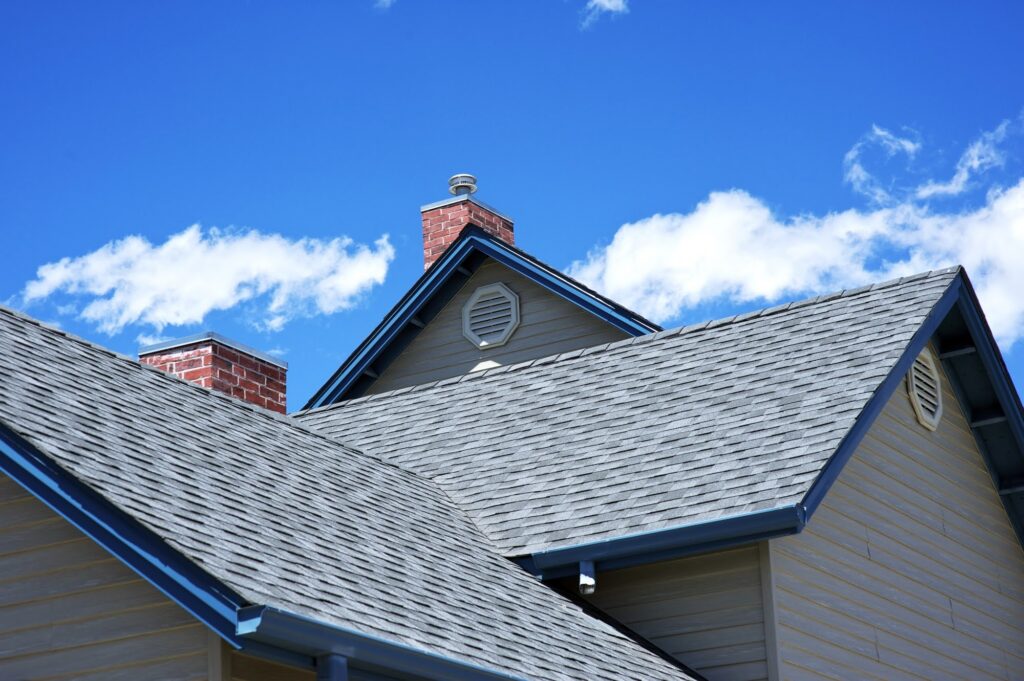
When homeowners think about maintaining their roofs, their minds usually jump to visible components like asphalt shingles, gutters, flashing, or skylights. However, roof maintenance also involves areas homeowners do not see every day. One of these is the attic ventilation system, which manages airflow beneath the roof.
A properly balanced roof ventilation system lets fresh outside air enter through the lower eaves and warm, moist air escape through the ridge or upper vents. Without this circulation, trapped heat and humidity can contribute to moisture problems and premature wear on roofing materials. Understanding how ventilation works and knowing when to bring in professional roofing services can help you address airflow problems before they contribute to more extensive roof issues.
The Science of Balanced Attic Airflow
To function correctly, an attic space requires a balanced intake and exhaust ratio. Airflow relies on two natural forces: thermal buoyancy, where warm air naturally rises, and wind pressure against the roofline.
Installed along the soffits or eaves, lower intake vents allow cool, fresh outdoor air to enter the bottom of the attic space. Meanwhile, exhaust vents positioned along the ridge, gables, or high roof slopes give rising warm air a clear path to exit the building envelope. When both sides of this intake and exhaust equation are balanced, air moves continuously without mechanical assistance, keeping attic temperatures close to outdoor ambient temperatures year-round.
How Poor Ventilation Affects Your Roof in Summer
During the hot summer months, sun exposure can cause significant heat buildup in a poorly ventilated attic. Temperatures in an improperly vented space can easily exceed 150°F, creating severe consequences for your entire roofing structure.
Excessive attic heat places additional heat stress on the roof deck and roofing materials over time. In fact, a 30-year shingle subjected to constant internal overheating can fail in as little as 10 to 15 years. Furthermore, when heat gets trapped inside your attic, it radiates downward into your ceiling drywall and living spaces. Your central air conditioning system has to run longer and work significantly harder to maintain a comfortable indoor temperature, leading to inflated monthly utility bills and unnecessary wear on your HVAC equipment.
The Hidden Winter Hazards of Moisture and Ice Dams
In colder weather, ventilation plays an equally important role by managing indoor humidity. Daily household activities like cooking, showering, washing dishes, and breathing generate moisture vapor that rises directly into the attic space.
If cold outside air does not carry this moisture vapor out through exhaust vents, condensation forms on the underside of the roof decking and attic insulation. Over time, damp wood fosters toxic mold growth and rots roof decking, compromising your home’s structural integrity.
In regions experiencing freezing temperatures, uneven roof temperatures can contribute to melting snow on the upper portion of your roof. As the runoff flows down to the cold, unheated eaves, it refreezes into thick ridges of ice known as ice dams. Trapped meltwater can back up behind the ice and work beneath roofing materials, increasing the risk of leaks and interior water damage.
Partnering with Professional Roofing Services for Proper Airflow
You do not have to climb into your attic every week to notice a ventilation imbalance. Common red flags include unusually high summer energy bills, ice dam formation along gutters, ceilings that feel hot to the touch, and shingles showing premature curling or granule loss. However, simply adding more vents is not always the right solution. Cutting extra holes in your roof without calculating net free vent area can disrupt airflow and interfere with the intended balance between intake and exhaust vents
When you hire experienced roofing services, roofing contractors can evaluate your entire roof system. They can assess the existing intake and exhaust setup and determine whether changes are needed to improve attic airflow.
Protect Your Investment with Powerhouse Roofing
Proper roof ventilation helps manage excess heat and moisture in the attic. By ensuring air flows freely through your attic space, you preserve your property’s value and maximize the lifespan of your roof.
Whether you are noticing signs of trapped heat or preparing for a complete roof replacement, the expert team at Powerhouse Roofing provides comprehensive inspections and solutions based on your roof’s needs. Contact us today to evaluate your roof’s airflow and keep your home protected in every season.
Frequently Asked Questions
How can I tell if my attic currently has proper ventilation?
A quick visual inspection can provide initial clues. Look along your lower eaves to confirm soffit vents are installed and clear of insulation or debris. From the outside, check for a continuous ridge vent running along the peak of your roofline. Inside, an attic with good airflow should feel dry and reasonably close to outdoor temperatures, without strong musty odors, visible mold, or rusty nails protruding through the wooden decking.
Will adding more vents automatically fix an overheating attic?
Not necessarily, and adding vents arbitrarily can actually disrupt your system. Effective roof ventilation relies on a balanced intake-to-exhaust ratio. If you install additional exhaust vents along the ridge without providing adequate intake at the soffits, the exhaust vents can begin pulling air from each other or drawing conditioned air out of your living space, rendering the system inefficient and potentially pulling moisture inside.
Does a soffit vent intake system work if my home lacks overhanging eaves?
Yes. For homes without standard overhanging eaves, such as modern minimalist designs or historic homes with flush fascia boards, specialized edge intake vents or drip-edge ventilation systems can be installed directly along the lower roofline. These low-profile products allow fresh air intake right at the roof edge beneath the bottom row of shingles.
How does poor roof ventilation impact my shingle warranty?
Most major roofing material manufacturers require adequate, code-compliant attic ventilation as a condition of their limited lifetime or system warranties. If shingles fail prematurely due to excessive internal thermal baking or moisture accumulation caused by poor airflow, manufacturers may void or reduce warranty coverage upon inspection.
Can power attic fans replace traditional passive ventilation systems?
Power attic vents (either electric or solar-powered) can supplement air movement in difficult-to-vent structures, but they are generally not a full replacement for a well-designed passive intake and exhaust system. If intake vents are insufficient, a strong power fan can inadvertently draw cooled or heated air directly from your living areas through small ceiling gaps and recessed lighting fixtures, increasing overall energy usage.