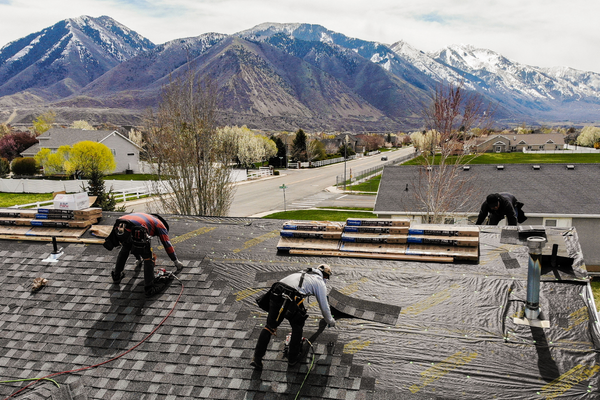

The useful starting point: Start with the condition of the roof. Decide whether a repair can solve the problem, compare complete written proposals if replacement makes sense, and agree on the installation and warranty details before work begins.
A stain on the ceiling and an aging roof can lead to very different projects. You deserve to understand what is wrong, what can reasonably be repaired, and what a new roof would change. This guide brings those decisions together for homeowners in Provo, Orem, Lehi, and the rest of Utah County.
Use it whether you are planning ahead or working through an unexpected leak. Each step links to a more detailed checklist you can use during an inspection or while comparing proposals.
1. Explain what you have noticed
Begin with the symptom, rather than the material you think you need. Note when a leak appears, whether it follows rain or snowmelt, which room is affected, and whether a previous repair helped. Photos taken from inside or from the ground can help show the pattern. Leave roof access and close inspection to a professional.
Ask for an explanation that connects the visible problem with the findings. Our roof inspection guide explains what to ask about shingles or metal panels, flashing, roof edges, drainage, and accessible attic conditions. An inspection should also make clear what could not be seen.
2. Decide whether repair or replacement fits
An isolated detail may be repairable even when the roof looks tired. Several worn components or recurring problems may justify a larger plan. Age alone does not settle the question. Our guide to roof lifespan in Utah puts broad material ranges beside maintenance, condition, and the questions to ask about an older roof. Read our repair-versus-replacement guide and ask what evidence supports the recommendation for your home.
- For an active leak, start with what to do when a roof leaks after rain and arrange an assessment.
- For an identified repair, compare the scope using our roof repair estimate guide.
- For a complete new roof, explore residential roof replacement and the components that belong in the proposal.
3. Compare the roof system and the written scope
A roof is more than the visible covering. A useful replacement proposal identifies the covering, underlayment, flashing, edges, ventilation work, tear-off, disposal, and how any damaged decking will be handled. Ask which existing components stay and which will be replaced.
Use the roof replacement estimate checklist to compare like-for-like work. For materials, review architectural shingles versus metal roofing; if metal is on your shortlist, compare standing seam and stone-coated steel. The right choice should fit your roof geometry, appearance, budget, and long-term plans.
Ask for a separate explanation of allowances and exclusions. If decking damage becomes visible after tear-off, you should know how it will be documented, priced, and approved. A clear process is more useful than a promise that nothing unexpected can happen.
4. Choose the team and plan the work
Our Utah roofing contractor checklist helps you review credentials, project communication, and proposals before choosing a team. Ask who will supervise the work and who you should contact if a question comes up.
Then review the roof replacement timeline and preparation guide. Agree on deliveries, driveway access, noise, weather decisions, cleanup, and the final walkthrough. The installation window and the full project schedule are different: ordering, scheduling, inspections, and documentation may sit outside the days the crew is on the roof.
5. Understand the protection after installation
Read the actual warranty documents before signing. Material coverage and workmanship coverage address different issues, and exclusions, registration, and transfer rules can matter. Our roofing warranty guide gives you questions to bring to the proposal discussion without assuming that every system has the same protection.
At handoff, keep the signed scope, approved changes, product information, warranty documents, and any maintenance instructions together. Take note of the contact for service questions. A premium roofing experience should leave you with a clear record of the work as well as a finished roof.
Questions homeowners ask
Do I need a new roof just because it is old? Roof age helps frame the assessment, but the condition, leak history, and repair options should guide the decision. Ask which findings make replacement more practical than repair.
Can I compare prices before an inspection? A planning estimate can help you set a budget. A project-specific proposal should account for the actual roof, access, materials, and work included. Avoid treating a calculator result as a final contract price.
Where should I start if I am unsure? Write down what you have noticed and schedule an assessment. You do not need to choose a material before understanding the condition of the existing roof.
A clear next step for your home
PowerHouse Roofing serves homeowners in Provo, Orem, Lehi, and surrounding Utah County communities, with additional service across the Wasatch Front. Schedule a conversation about your roof so you can discuss the condition, the options, and the written scope before deciding.
Planning around winter conditions? Review gutter selection for snowy Utah homes and winter roof leaks versus attic condensation to bring more specific questions to the inspection. If work may happen during cold weather, our winter roof repair planning guide explains scheduling, material requirements, and return visits.
If you need protection before the final roofing work can begin, our temporary roof repair guide explains how to separate the immediate scope, permanent repair, and interior recovery.