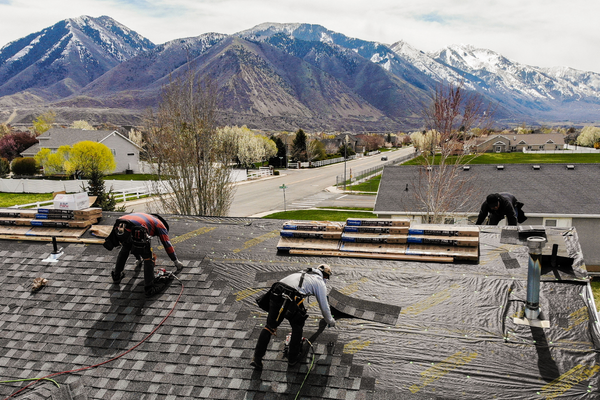
New gutters are easier to plan when the condition of the roof edge is part of the conversation from the beginning. If you see peeling finishes, a loose gutter, or an open section beneath the eaves, describe it when arranging the visit. The inspection should establish what is affected before the proposal treats the work as a straightforward gutter replacement.
For a Utah homeowner, the useful decision is not simply whether the new gutter looks better. Ask what it will attach to, which adjoining materials need attention, and who will handle that work. This checklist helps you keep fascia, soffit, roofing, and gutter responsibilities clear.
Identify the parts being discussed
Fascia is the board or finished edge along the eaves where gutters are commonly attached. Soffit covers the underside of an overhang. GAF’s explanation of fascia and soffit illustrates the difference. These parts meet at the roof edge, but a proposal should identify them separately.
Ask the contractor to point out the affected components in photographs of your home. A description such as “repair the eaves” may leave you unsure whether the price includes a finish covering, the material behind it, the soffit, or part of the roofing. The names and boundaries should be understandable before you approve the work.
Bring observations rather than a diagnosis
From the ground or another safe location, record where you see a change and when it appeared. A stain or peeling finish alone does not show the full condition behind the surface. Leave ladder access, probing, removal, and roof inspection to the professionals.
- Locate the concern: identify the front, rear, or side of the home and the approximate length affected.
- Describe the pattern: note visible overflow, dripping behind a gutter, loose sections, or a change after rain or snowmelt.
- Share the history: bring earlier repair records and photographs, including any work to the gutters, roof edge, or adjoining siding.
- Mention access: identify entrances, landscaping, narrow side yards, and other areas the team should consider when planning the visit.
Our roof inspection checklist helps you organize questions about what was inspected and what remains inaccessible. If the team cannot see behind an existing covering, ask how that uncertainty will be handled in the estimate.
Ask how the mounting area will be assessed
Before comparing gutter proposals, ask each installer to explain the existing mounting surface and the work included to prepare it. Does the quote assume the fascia is suitable as it stands? Does it include removal of an existing covering to investigate a concern? What discovery would require a revised scope?
Keep a finish-only change separate from replacement of damaged underlying material. Request photographs and an explanation of the finding, rather than assuming that covering a stained area resolves the condition behind it. If supporting roof components need further assessment, establish who will provide that assessment before the gutter work proceeds.
Review the water route as well as the visible repair
A repair discussion should also address why the area has been getting wet. Ask which roof-edge and drainage details were assessed and how the proposed work responds to the findings. The Building America Solution Center’s gutter and downspout guidance treats roof runoff as part of the home’s water-management plan.
Our gutter and drainage guide follows the route through collection, outlets, downspouts, and final discharge. If water management needs work beyond the gutter installation, identify that work and the responsible trade in the proposal.
Make the repair allowance and approval process clear
The starting gutter price may assume that some existing materials can remain. Ask the contractor to state that assumption and explain the process if removal reveals a different condition. A unit price is most useful when you understand what is being measured and what the rate includes.
- Name the material and area: distinguish fascia, soffit, finish coverings, and any adjoining roof or siding work.
- Define the price: identify what is included in the base amount and how any additional quantity will be measured.
- Include the finish: clarify removal, disposal, replacement material, preparation, paint or finish, and color matching.
- Set the approval step: agree who receives the photographs and revised price before additional work is authorized.
Keep approved changes with the original proposal. If the finding extends to the roof deck, our decking and concealed-damage guide explains how to review the location, repair boundary, and pricing questions.
Coordinate gutters with the surrounding exterior
Tell the team about planned roof replacement, siding, or roofline lighting before the schedule is set. Ask which components will be removed first, how the exposed area will be managed between stages, and who completes the adjoining finish. Keep any existing ventilation openings in the discussion rather than treating a new covering as a purely cosmetic choice.
At handoff, request photographs of work that will be concealed, the final agreed scope, product and finish information, and the contact for follow-up. Those records make the completed repair easier to understand after the new gutter is in place.
Discuss the condition before choosing new gutters
PowerHouse Roofing helps Utah homeowners plan custom seamless gutter work alongside the existing roof edge and drainage concerns. Request a conversation about your gutter project and mention any fascia or soffit concerns when arranging the visit so the team can discuss the assessment and scope.