
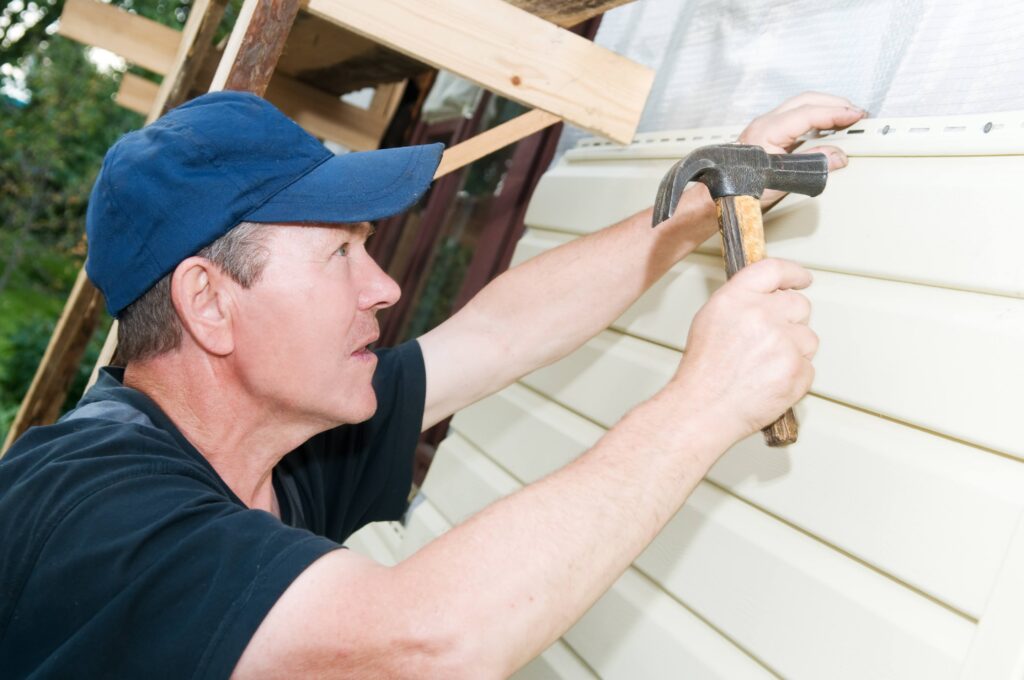
Siding protects your home from sun, rain, wind, and shifting temperatures, so its performance really does matter over time. Some materials are built to handle that job for decades with little fuss, while others ask for a bit more attention along the way. This guide covers what to think about before choosing a material for your next siding project.
Key Considerations When Choosing Siding
Climate is often the first thing worth thinking about. Homes that deal with freeze and thaw cycles or wildfire risk tend to do better with sturdier options, while homes in milder regions have more flexibility to prioritize value. Maintenance preferences matter just as much. Some materials ask for almost nothing beyond a periodic wash, while others look their best when refreshed every so often with a new coat of paint.
Budget naturally comes into the picture too, since upfront cost can vary quite a bit depending on the material. It helps to think about this alongside long-term performance rather than price alone, since a slightly higher cost now can sometimes mean fewer expenses later. Comparing the total picture, rather than the sticker price alone, usually gives a clearer sense of what a material will actually cost you over the years you plan to own your home.
Aesthetic preference rounds out the list of things to weigh. A natural, textured look appeals to some homeowners, while others lean toward cleaner, more modern lines. This choice is a personal one, and it can shift depending on your neighborhood, your home’s architectural style, or simply what catches your eye when you picture the finished look. Weighing all of these factors together, rather than focusing on just one, tends to lead to a choice that fits your home well for years to come.
Comparing Durable Siding Materials
Fiber cement has earned a strong reputation for holding up in tough conditions. It resists fire well and stands up to insects, and it tends to keep its shape through repeated temperature swings. Because of these qualities, it is a frequent choice for homes in harsher climates.
Steel and metal siding offer many of the same strengths, with added resistance to moisture and a look that suits contemporary homes especially well. Brick veneer is often mentioned as one of the longest-lasting options on the market. Its classic appearance has stayed popular for generations, and it requires very little upkeep once installed.
Vinyl siding continues to be a familiar choice for a simple reason: it is budget-friendly and easy to live with day-to-day. It resists rot and asks for little beyond occasional cleaning. Engineered wood siding gives a warmer, more natural appearance without the full weight of traditional wood, making it a nice middle ground for homeowners who want that classic look with less maintenance involved.
Each of these materials brings its own mix of strengths, so the right one really depends on what your home needs most.
Trade-Offs to Keep in Mind
No material is perfect for every situation, and understanding the small trade-offs ahead of time can help you plan better. Vinyl siding can shift slightly in very extreme heat or cold, so homeowners in areas with big temperature swings may want to weigh this against its affordability. Fiber cement is on the heavier side, so it benefits from careful, experienced installation to get the best results.
Steel siding holds up well against most conditions, though people with homes near the coast may want to ask about finishes that offer extra protection against salt air. Engineered wood does its best work when moisture is kept in check, so proper installation and occasional care go a long way toward keeping it looking great for many years.
Brick veneer, while known for its long lifespan, does call for solid structural support underneath, which is worth factoring into your planning and budget from the start.
None of these details should be seen as a reason to rule a material out. They are simply things worth discussing with a professional so your final choice fits your home and how you plan to use the space around it.
Tips for a Smart Siding Choice
Matching your siding to your local climate is one of the simplest ways to set yourself up for success. Fiber cement tends to shine in wildfire-prone areas, steel often performs well where high winds are common, and vinyl works nicely in milder regions where temperature extremes are less of a concern.
Combining materials is another approach worth considering. Pairing fiber cement on the main walls with engineered wood accents, for example, can add visual interest while keeping durability in mind across the whole exterior. If resale value is on your mind, it helps to know that siding upgrades often return a solid share of their cost when a home eventually sells, which makes durable options feel less like an expense and more like an investment. Many homeowners planning a larger exterior update also loop in their roofers early on, so that roofing and siding work can be scheduled together and the whole project moves along more smoothly.
Finally, it is worth leaning toward materials with a long track record rather than choosing based on what looks trendy at the moment. Proven materials tend to age gracefully, keeping their finish and structure intact well after newer trends have faded from style. Taking a bit of extra time upfront to research your options, ask questions, and picture how a material will look on your home years down the road almost always pays off once the project is finished.
Bringing It All Together
Choosing siding that lasts really comes down to matching the material to your climate, your maintenance habits, and your long-term goals for the home. Fiber cement, steel, brick veneer, vinyl, and engineered wood each bring their own strengths to the table, so the best fit depends on what matters most to you. If you would like guidance on choosing the right siding for your home, reach out to our team, and we will be happy to help.
Frequently Asked Questions
How do I know which siding material fits my home best?
Start with your climate and your maintenance preferences, then factor in your budget. A siding professional can help translate those priorities into a specific recommendation for your home.
Does the color of siding affect how long it lasts?
It can play a minor role, since darker shades tend to absorb more heat than lighter ones. That said, the material itself has a much bigger influence on overall lifespan than color does.
Can different siding materials be combined on one home?
Yes. Many homeowners blend materials, such as pairing a durable option for the main walls with a warmer accent material in certain areas, to create visual interest without giving up long-term performance.
How often should siding be inspected?
A seasonal check is usually enough for most homes. It also helps to take a closer look after any major storm, just to make sure everything is still sitting the way it should.
Is more expensive siding always the better choice?
Not always. Price is only one part of the equation. The better question is which material fits your climate, your maintenance habits, and how long you plan to stay in your home, since the right answer looks different for every homeowner.